
What Is a High R-Value Thermal Tank and Why Does It Improve Energy Efficiency?
A high R-value thermal tank is a critical advancement in modern thermal energy storage, designed to significantly reduce heat loss and improve overall system performance. In commercial buildings and industrial facilities, where energy consumption is high, the efficiency of a thermal storage tank directly impacts operating costs and sustainability outcomes. By acting as a thermal battery, these tanks store heat energy and retain it for extended periods, enabling smarter load shifting and improved peak demand management. When integrated with heat pumps, solar thermal systems, and HVAC systems, high R-value tanks ensure consistent performance across domestic hot water (DHW) systems. Their superior insulation capabilities make them essential for achieving higher energy efficiency and supporting long-term decarbonization strategies.
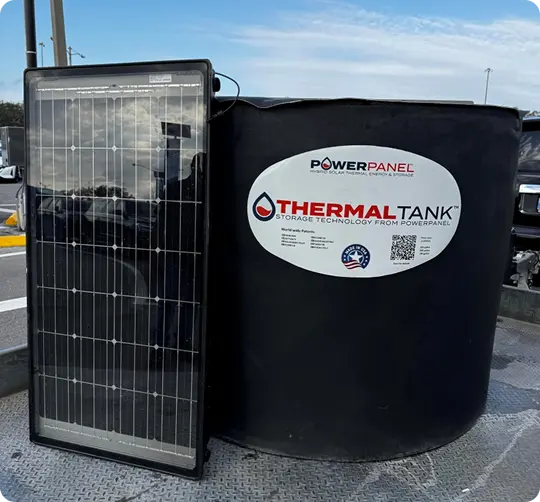
What is a high R-value thermal tank and how does it work?
Why does a high R-value thermal tank improve energy efficiency?
A high R-value thermal tank improves energy efficiency by reducing heat loss, ensuring more stored energy is available for use instead of being wasted. Energy efficiency is significantly improved with a high R-value thermal tank because less energy is lost during storage. In traditional systems, heat dissipates quickly, requiring additional energy input to maintain temperature. With improved insulation materials, a high-performance thermal storage tank retains heat, reducing the need for constant reheating. This directly lowers energy consumption and operational costs. Additionally, when paired with heat pumps or solar thermal systems, the system can store energy when it is most efficient to produce it and use it later. This supports load shifting and enhances peak demand management, allowing buildings to operate more efficiently. Over time, this results in measurable savings and improved sustainability across energy systems.
How do high R-value thermal tanks support decarbonization strategies?
What features make modern high R-value thermal tanks more effective?
Key features include:
- High-performance insulation for minimal heat loss
- Advanced heat exchangers for efficient energy transfer
- Modular thermal systems for flexible installation
- Long lifespan with non-corrosive materials
- Compatibility with heat pumps and HVAC systems
These features ensure reliable, scalable, and efficient operation across various applications.
Real-World Applications of High R-Value Thermal Tanks
Talk to our experts about your energy situation today.
Integration with Heat Pumps and Renewable Energy Systems
Key integration benefits include:
- Improved energy efficiency through renewable energy use
- Reduced carbon emissions supporting decarbonization
- Enhanced load shifting capabilities
- Lower operational costs through efficient energy use
- Increased system reliability and resilience
This integration ensures optimal performance and sustainability.
Design Considerations for High R-Value Thermal Storage Systems
Future Trends in High R-Value Thermal Tank Technology
Key trends include:
- Development of advanced insulation technologies
- Integration with smart energy management systems
- Increased adoption in commercial buildings and industrial facilities
- Expansion of thermal tanks for decarbonization initiatives
- Improved scalability through modular designs
These advancements will ensure that high R-value thermal tanks remain essential for efficient and sustainable energy systems.