
How Non-Corrosive Thermal Tanks Improve Durability and Performance in Energy Storage Systems
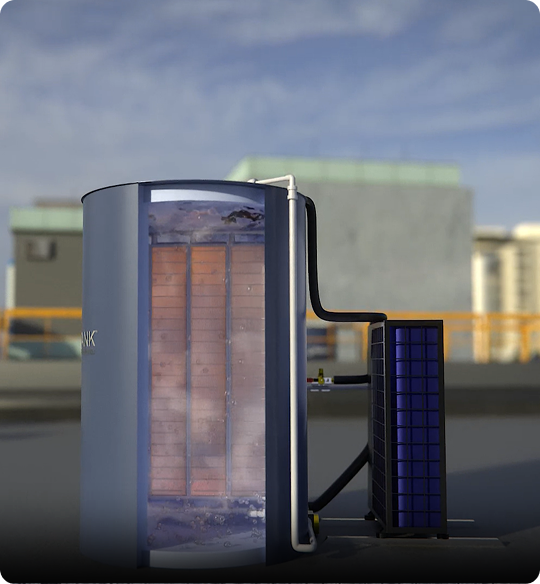
What is a non-corrosive thermal tank and how does it work?
A non-corrosive thermal tank is a heat storage tank built with materials that resist rust and degradation, ensuring long-term durability and consistent thermal energy storage performance. A non-corrosive thermal tank is designed to maintain structural integrity and performance over extended periods by using advanced materials that resist corrosion. Unlike traditional steel tanks, these systems utilize engineered polymers, specialized liners, and protective coatings to prevent degradation. As a thermal storage tank, it functions as a thermal battery, storing heat energy and delivering it through heat exchangers to domestic hot water (DHW) systems or heating applications. This ensures reliable operation even in demanding environments. The tank’s design allows it to integrate seamlessly with heat pumps and solar thermal systems, enabling efficient energy capture and use. By eliminating corrosion-related failures, these tanks provide consistent performance and reduce long-term maintenance requirements in energy systems.
Why do non-corrosive thermal tanks improve durability in energy systems?
Key durability benefits include:
- Resistance to rust and chemical degradation
- Extended lifespan compared to traditional tanks
- Reduced maintenance and repair costs
- Consistent performance in harsh environments
- Improved reliability in long-term operations
These advantages make non-corrosive tanks a superior choice for energy systems.
How do non-corrosive thermal tanks enhance performance and efficiency?
Key performance features include:
- Efficient heat transfer through advanced heat exchangers
- Reduced heat loss due to superior insulation
- Enhanced system reliability and stability
- Support for peak demand management strategies
- Compatibility with renewable energy systems
These features ensure optimal system performance.
How do non-corrosive thermal tanks support decarbonization and sustainability?
Key sustainability benefits include:
- Reduced carbon emissions through renewable integration
- Improved energy efficiency across systems
- Lower resource consumption due to long lifespan
- Enhanced support for load shifting strategies
- Contribution to sustainable building operations
These advantages position non-corrosive tanks as a key component of modern energy systems.
Talk to our experts about your energy situation today.
Real-World Applications of Non-Corrosive Thermal Tanks
Integration with Heat Pumps and Renewable Energy Systems
Key integration benefits include:
- Improved energy efficiency through renewable energy usage
- Reduced dependence on fossil fuels
- Enhanced load shifting capabilities
- Lower operational costs through optimized energy use
- Increased system resilience and reliability
This integration ensures sustainable and efficient energy management.
Design Considerations for Non-Corrosive Thermal Storage Systems
The Future of Non-Corrosive Thermal Tank Technology
Key future trends include:
- Development of advanced non-corrosive materials
- Integration with smart energy management systems
- Increased adoption in commercial buildings and industrial facilities
- Expansion of thermal tanks for decarbonization initiatives
- Improved scalability and system flexibility
These advancements will ensure continued growth and innovation in thermal energy storage solutions.