Make Decarbonization More Accessible With Modular Thermal Energy Storage
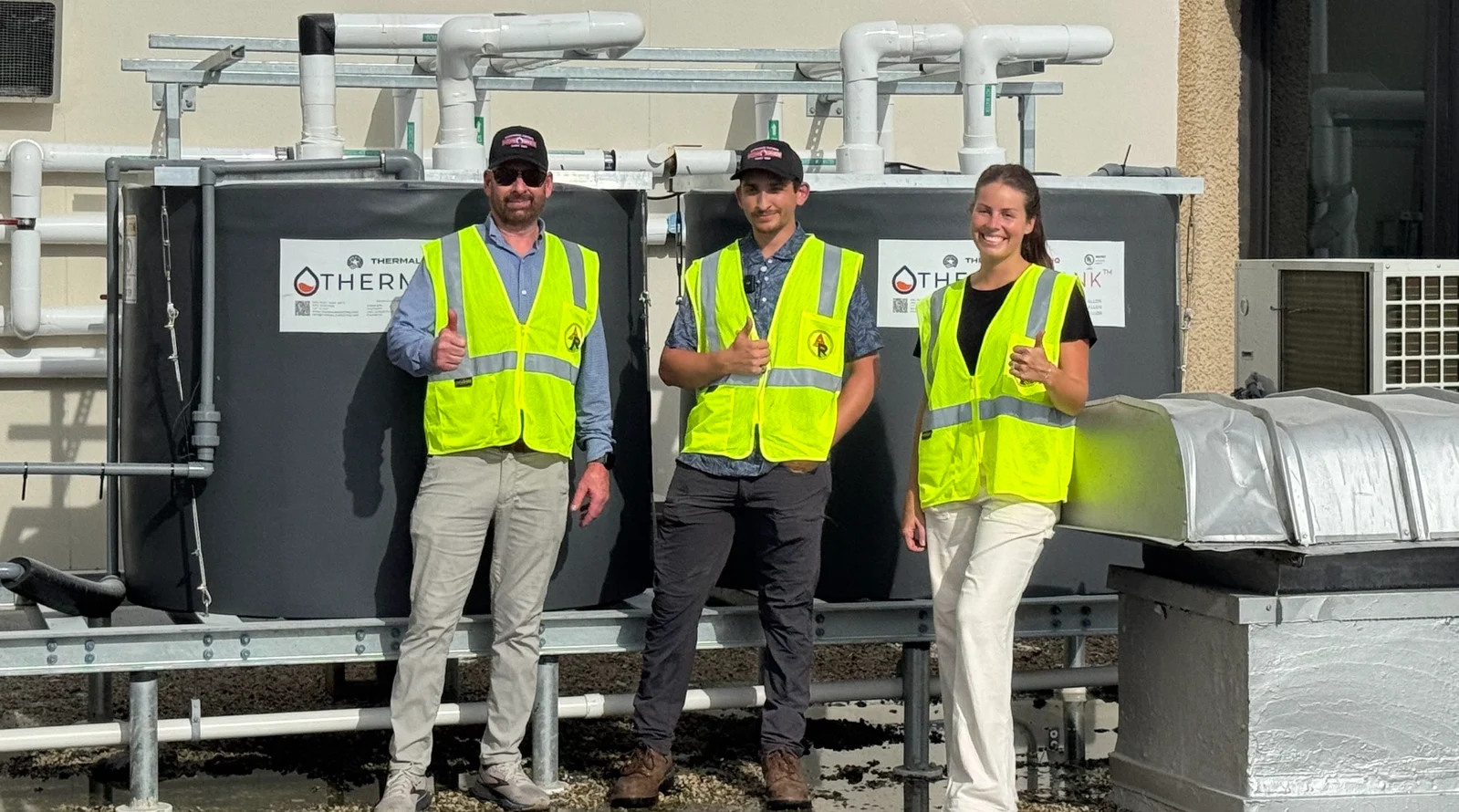
Existing infrastructure can be difficult to decarbonize because of limited space and system compatibility constraints. Thermal Energy HQ’s modular thermal energy storage systems are designed to overcome these retrofit challenges with a flexible, lightweight approach.
Commonly encountered problems when installing thermal energy storage
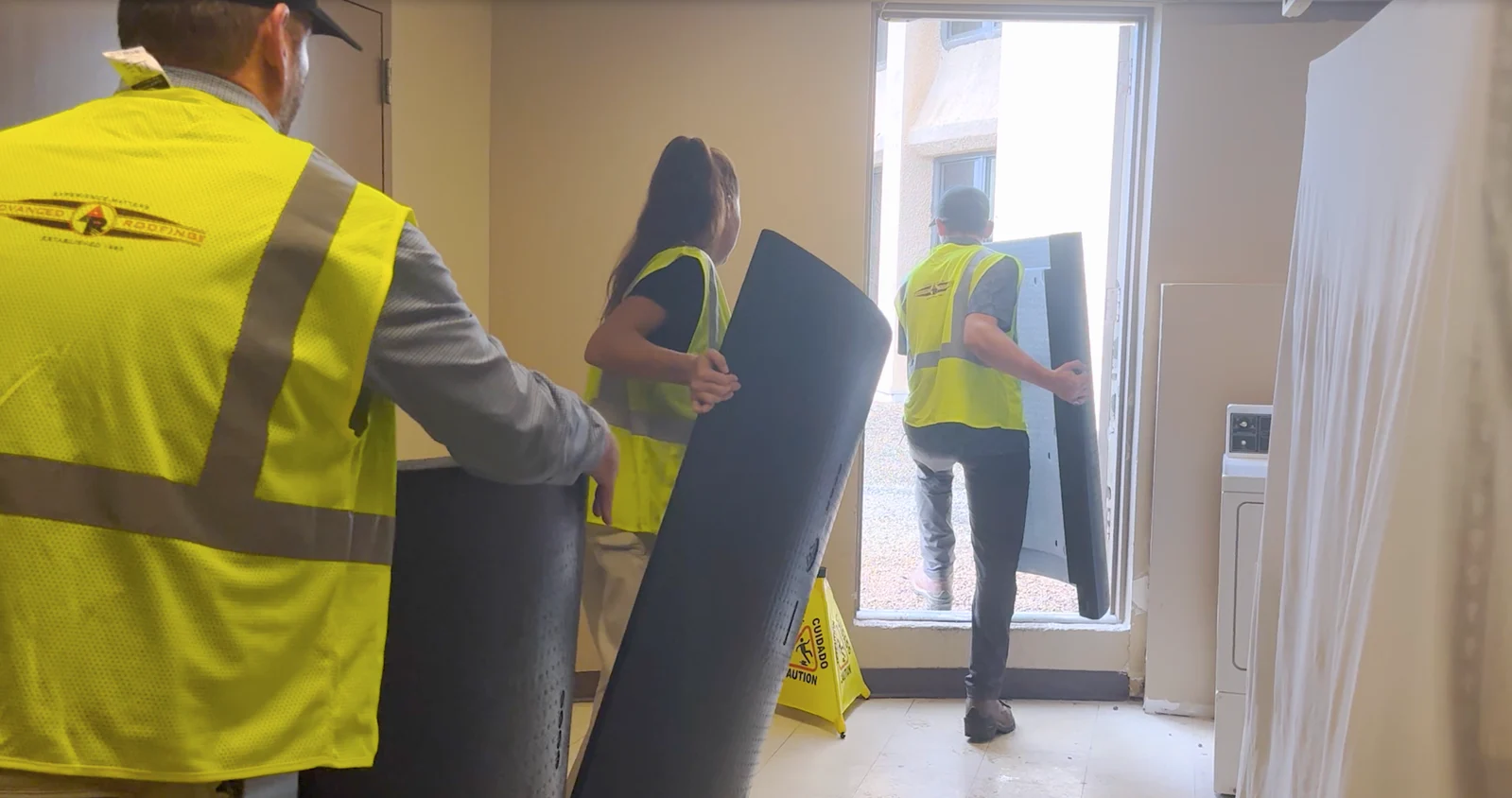
Traditional thermal energy storage systems rely on heavy, pressurized tanks to store and heat water. When retrofitting commercial buildings to meet decarbonization goals, facility managers can face significant logistical challenges transporting these large metal tanks through elevators, stairwells, mechanical rooms, and other constrained spaces. Once installed, traditional tanks can also create long-term concerns related to corrosion, maintenance, and limited flexibility if future renovations, equipment changes, or building moves are required.
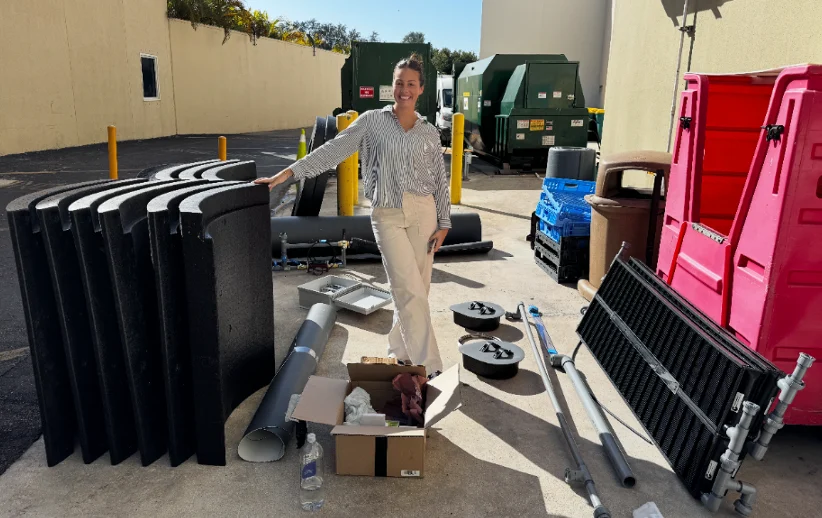
Thermal Energy HQ solves these problems with distinct design choices built around flexibility, long-term use, and user accessibility. Thermal Energy HQ’s storage tanks are assembled using modular pieces that can be easily transported through tight spaces and then installed wherever needed. Each piece of the system weighs no more than 15 pounds, meaning that a small team can carry everything needed for the build into the job site with minimal effort. Watch one of our engineers, Ben Schlundt, explain the difference here.
The difference is in the design
The difference becomes clear when considering a rooftop installation. Because of the size and weight of traditional storage tanks, project managers may need to lift large components onto the roofs of commercial buildings using cranes. This can add significant project costs, including additional labor, insurance requirements, and the rental of heavy machinery capable of lifting a multi-ton metal tank several stories into the air.
For example, A.O. Smith lists its 3,807-gallon heavy-duty commercial storage tank at a shipping weight of 5,733 pounds in its standard 125-psi configuration, with a cement-lined version weighing as much as 8,658 pounds. These physical requirements can make conventional thermal storage considerably more complicated and costly to retrofit into existing buildings.
Thermal Energy HQ’s modular tanks come in sizes up to 700 gallons, and can be daisy-chained together for scalable solutions into the thousands of gallons.
In addition to simplifying transportation and installation, Thermal Energy HQ’s tanks offer several advantages for long-term building operations. Their heavy-duty industrial plastic construction eliminates the risk of rust associated with traditional metal tanks and provides strong resistance to corrosion over time. The modular tanks can also be disassembled and relocated if a facility undergoes renovations, equipment changes, or a future move.
Additionally, the system is designed to require only a single initial water fill, reducing ongoing maintenance requirements and supporting reliable long-term operation.

Thermal Energy Project Snapshot: Cavalry Grill
Calvary Christian Academy uses approximately 1,600 gallons of hot water per day for kitchen operations and other facility needs, requiring an estimated 89,894 kWh of thermal energy annually. Before the upgrade, the facility relied on a propane water heating system that cost approximately $9,123 per year to operate based on a propane price of $3.64 per gallon. In addition to the operating expense, the system also contributed to the facility’s greenhouse gas emissions.
To reduce energy costs and eliminate propane use for domestic hot water, Calvary Christian Academy installed a 700-gallon Thermal Energy HQ thermal energy storage tank paired with a 6.0-ton heat pump. With a coefficient of performance of 3.5, the heat pump delivers approximately 3.5 units of thermal energy for every unit of electricity consumed. The completed system meets the same hot water demand using approximately 25,684 kWh of electricity annually, reducing water-heating operating costs to roughly $3,083 per year.
The completed installation delivers approximately $6,040 in annual utility savings while eliminating propane consumption for domestic hot water. The project had a total installed cost of $39,900, with an estimated payback period of 4.4 years before incentives and approximately three years after accounting for a 30% federal investment tax credit, bringing the effective net cost to $27,930. The system also provides 108 kWh of thermal energy storage, allows hot water production to be shifted away from peak demand periods, improves reliability during periods of high use, and reduces greenhouse gas emissions by approximately 16.4 metric tons annually.