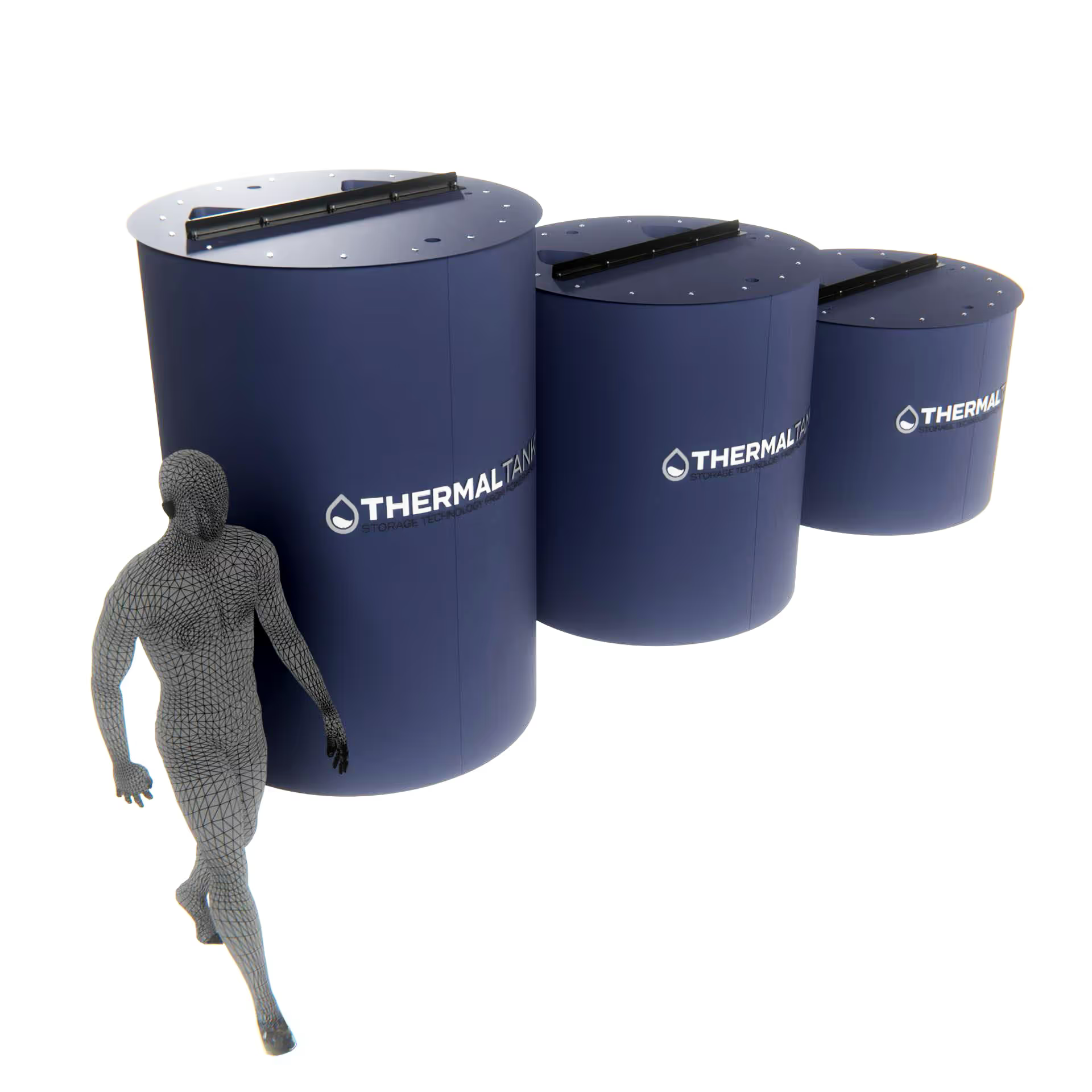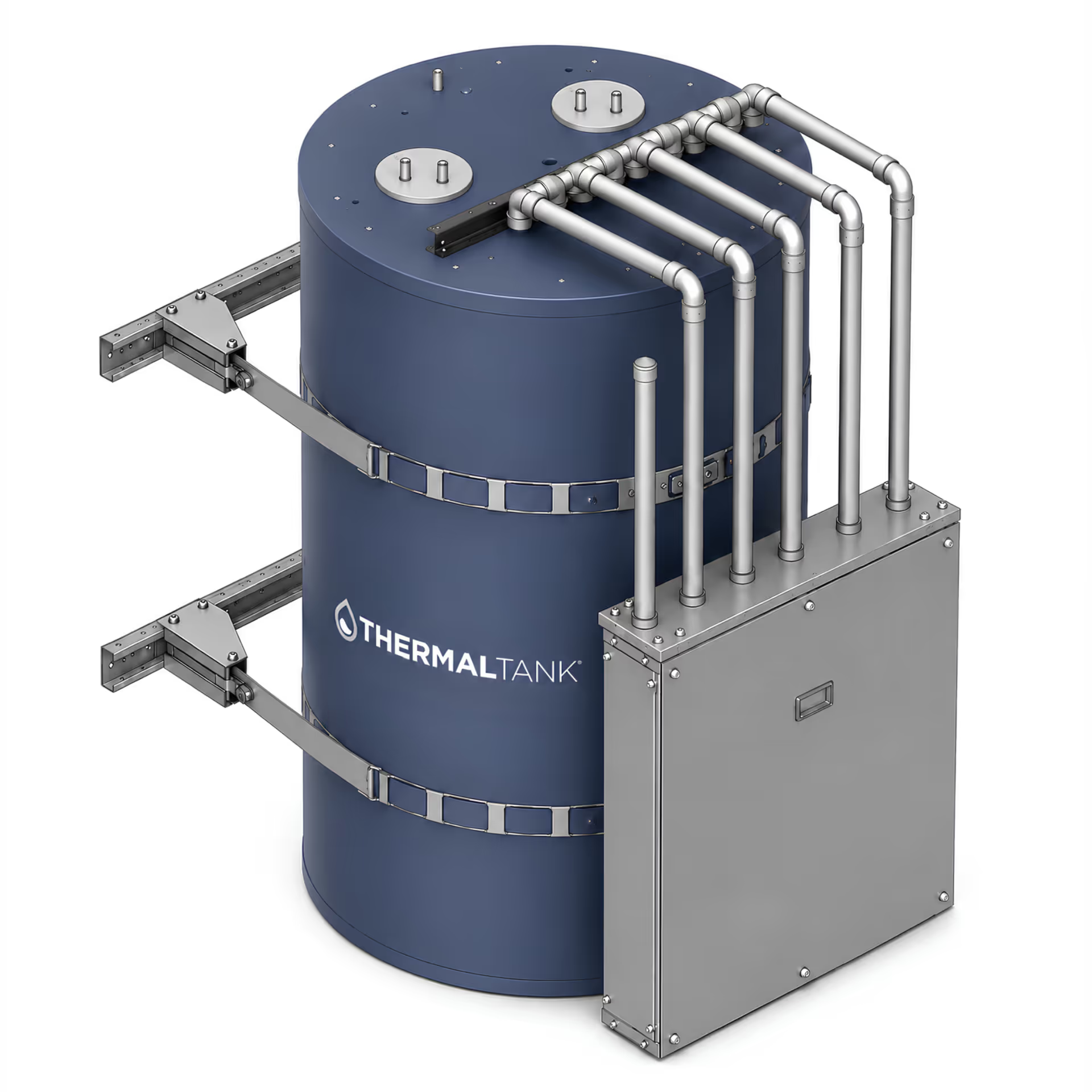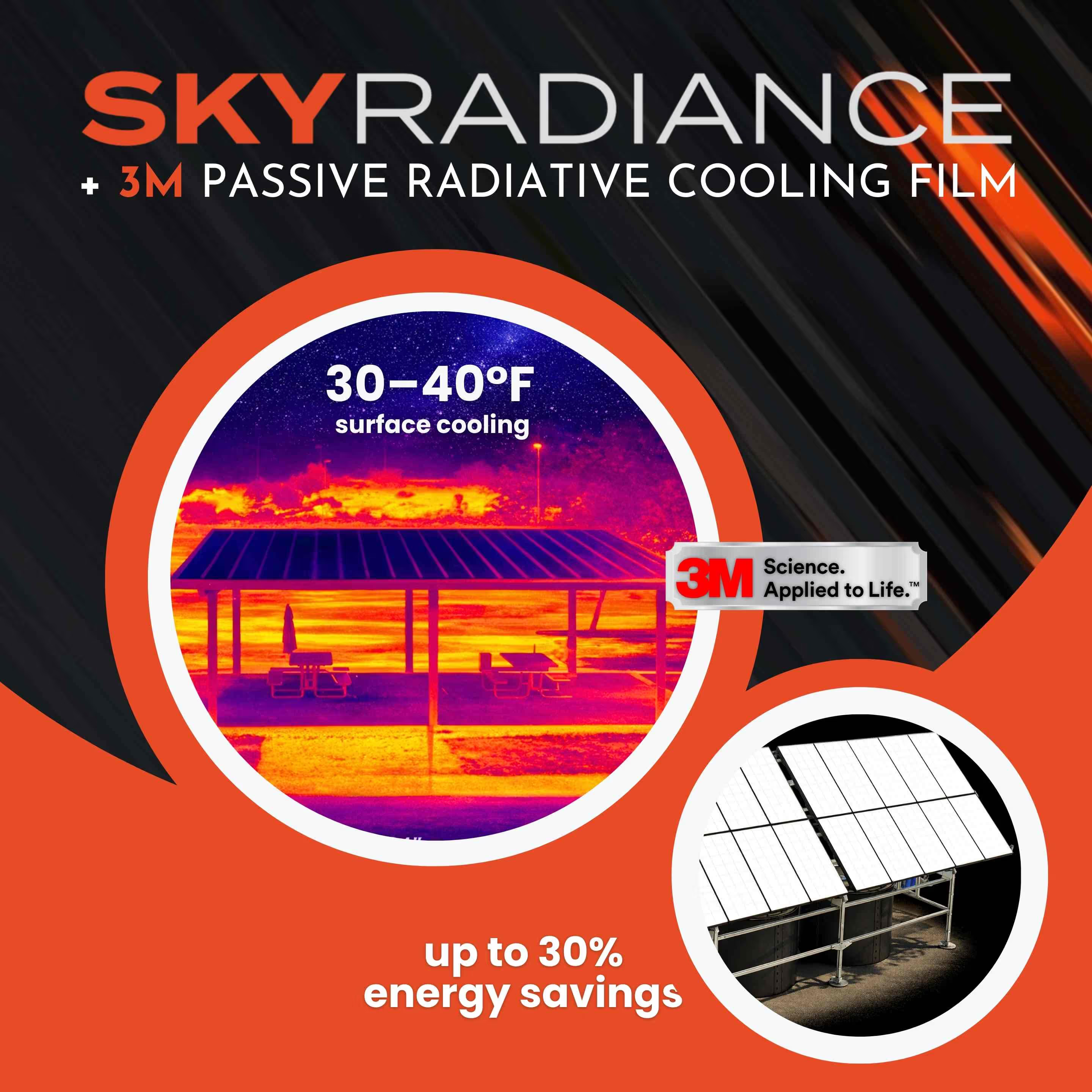

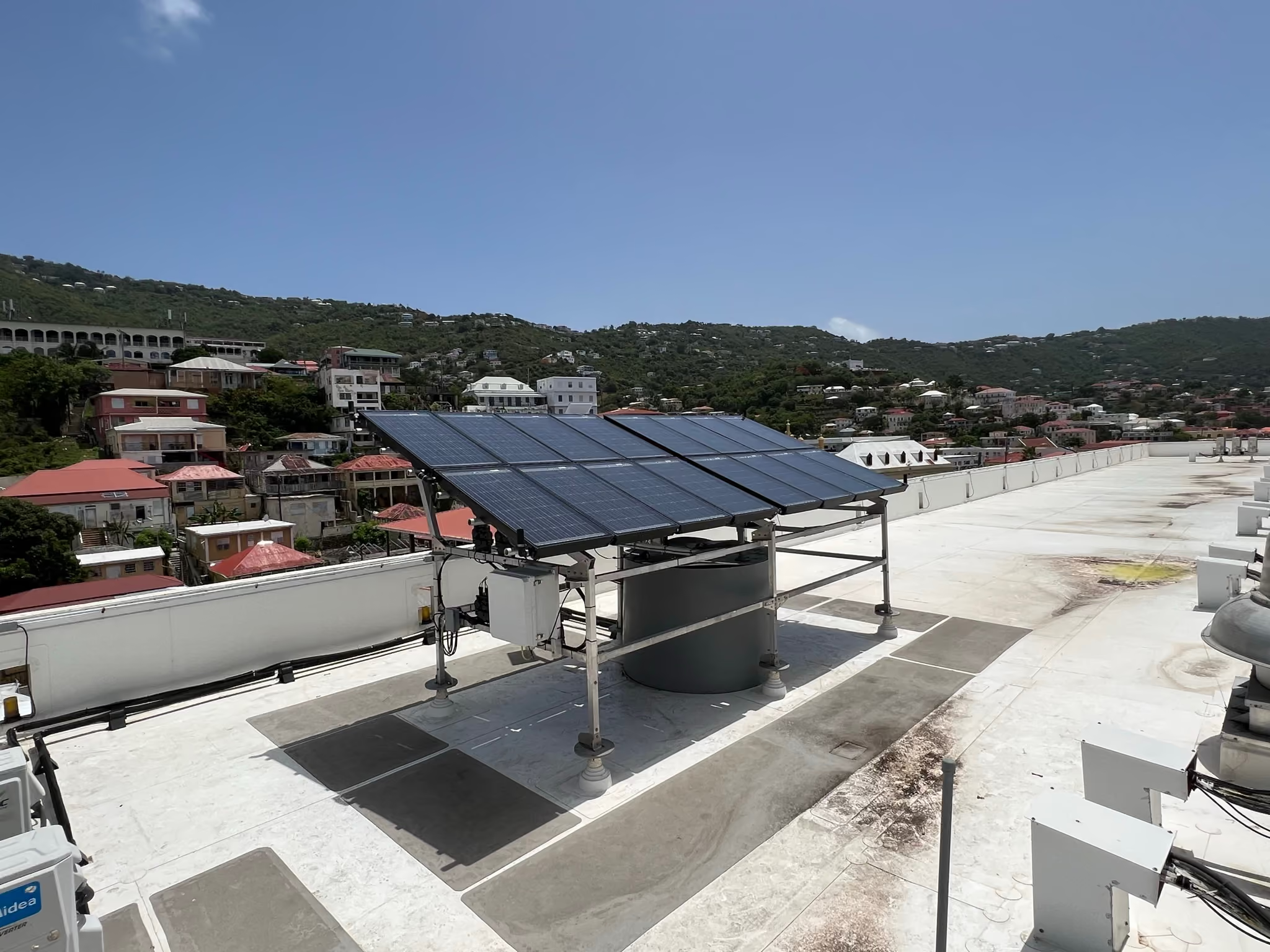
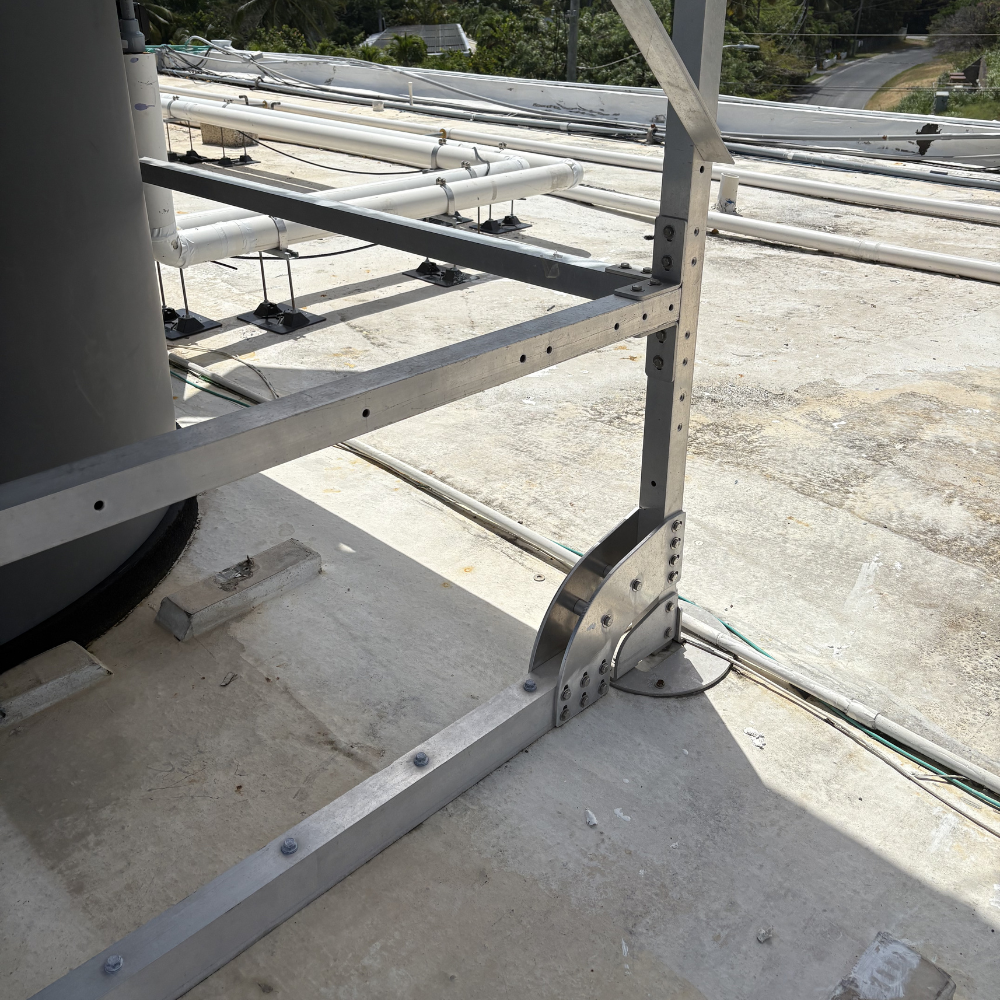
Thermal Energy HQ’s PVT solar panel arrays combine photovoltaic and thermal technology to deliver a high-efficiency solar energy system that seamlessly integrates with thermal energy storage tanks. Designed as an advanced solar thermal system and solar panel system for home or commercial use, these hybrid panels generate electricity while capturing heat for direct use in a heat storage system and thermal energy storage system.


Review key specifications across our two Solar PVT models to find the right fit for your project’s storage capacity, space requirements, and performance goals.
Find answers to common questions about thermal tank selection and deployment.
PVT, or photovoltaic thermal technology, generates both electricity and usable thermal energy from the same solar panel surface. Instead of allowing excess panel heat to dissipate unused, the system captures that heat and transfers it into thermal energy storage for later use. This allows a single solar array footprint to support both electrical production and hot water or heating applications.
Required roof area depends on the building’s energy demand, thermal storage goals, hot water load, and overall system configuration. Final PVT collector sizing is determined during system design, site evaluation, and energy modeling to ensure the system is matched to the project’s electrical and thermal requirements.
Yes. PVT systems can be designed for year-round operation, including cold and freezing conditions. Depending on the project, the system may use closed-loop thermal architecture, glycol-based heat transfer, freeze protection, and drain-back strategies to support reliable operation in colder climates.
PVT systems are designed for low-maintenance operation and generally follow standard solar panel inspection and cleaning practices. Maintenance may include visual inspections, performance monitoring, and thermal loop checks to help maintain optimal electrical and thermal efficiency over time.
PVT can provide thermal input to heat pump source loops, helping reduce overall electrical demand and improve system efficiency. At the same time, the photovoltaic side of the array can offset the heat pump’s electrical consumption, creating a more efficient integrated system for hot water, heating, and thermal storage applications.
Combine advanced storage, heat pump technology, and solar thermal innovation into one coordinated system designed for efficiency, flexibility, and long term performance.
Send us a message and our team of experts will get right back to you — or grab a time on our calendar below.