Charge modular Thermal Tanks when electricity is cheap or solar is strong, then serve hot water and heating from storage during the 4 to 9 p.m. peak. Lower demand charges, smaller heat pumps, and a building that can respond to utility events.
Savings depend on the utility rate schedule, demand charge structure, daily load shape and installation. Rate, sizing and incentive determinations belong to the project's engineer, utility and tax advisor.
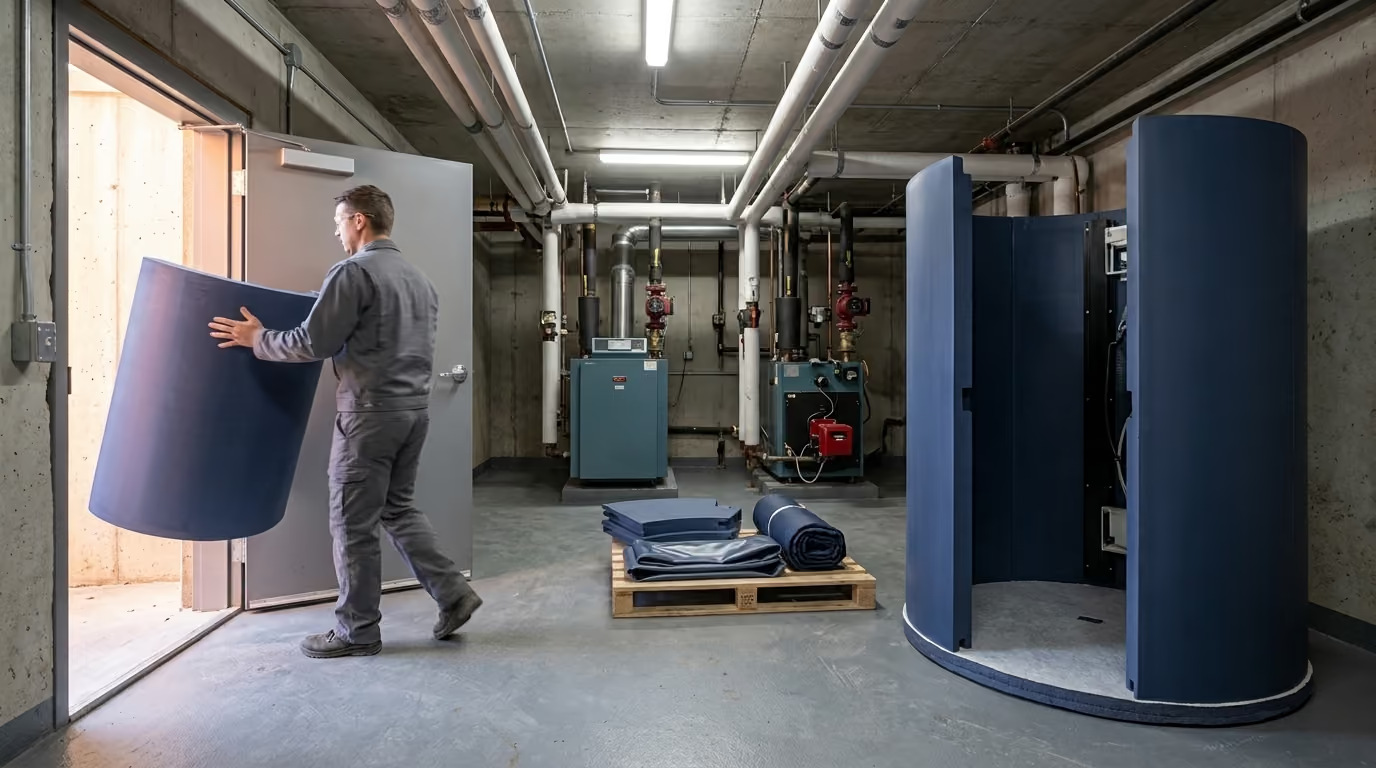
Each tank stores heat as hot water, with no batteries, no fire code triggers and no capacity fade. Tanks combine for larger loads.
At a 35 °C differential. The size used per building at a USVI resort.
The size installed at a Puerto Rico laundromat and in the All-In-One system.
Published result at Bolongo Bay Resort after replacing seven electric tanks with storage and a heat pump.
Panels fit through a standard door and assemble on site, so capacity scales without a crane or a new mechanical room.
Capacity figures are nameplate values at the stated differential. Case study results apply to the building studied.
Lighting and plug loads happen when people need them. Hot water and space heat can be made hours ahead and stored. That makes thermal storage the lowest-cost way to flatten a building's demand curve.
Water heaters and boilers firing during the afternoon peak set the monthly demand charge. Serving that window from storage removes the spike.
On time-of-use rates the heat pump charges the tank overnight or at solar noon, then idles through the expensive hours.
With storage carrying the peak, the heat pump or boiler is sized for average load, not the worst 30 minutes. Smaller equipment, longer run cycles.
A heat pump, boiler, PowerPanel PVT or waste heat heats the tank when rates are low or renewables are producing. Controls follow the utility schedule.
Insulated modular tanks hold the charge until it is needed. No fuel burned, no compressor running during the peak window.
A load-side heat exchanger delivers hot water or heating from the tank. During a utility demand event, the building drops load without anyone noticing.
Existing heaters stay for boost and backup. Monitoring supports the reporting many utility and program pilots require.
It depends on tank count and daily demand. A 700-gallon tank holds 108 kWh, so a building using 20 kW of water heating during a five-hour peak could cover the window with one tank. The engineer sizes for the actual profile.
For heating and hot water loads, usually yes per kWh stored, and with no degradation or fire code review. Batteries still make sense for electrical loads that cannot be moved. Many buildings use both.
Some do, through demand response, peak reduction and electrification programs. The Incentive Finder lists programs to check; the utility and program administrator decide eligibility and payment.
Send us a message and our team of experts will get right back to you — or grab a time on our calendar below.