All Case Studies
Retrofit
U.S. Virgin Islands
Thermal Energy HQ
Thermal Energy HQ Technical Team
November 20, 2025
Hospitality
Domestic hot water
Distributed Building-by-Building Retrofit
Thermal Tanks, Heat Pumps, R/O Water Compatibility, Distributed DHW
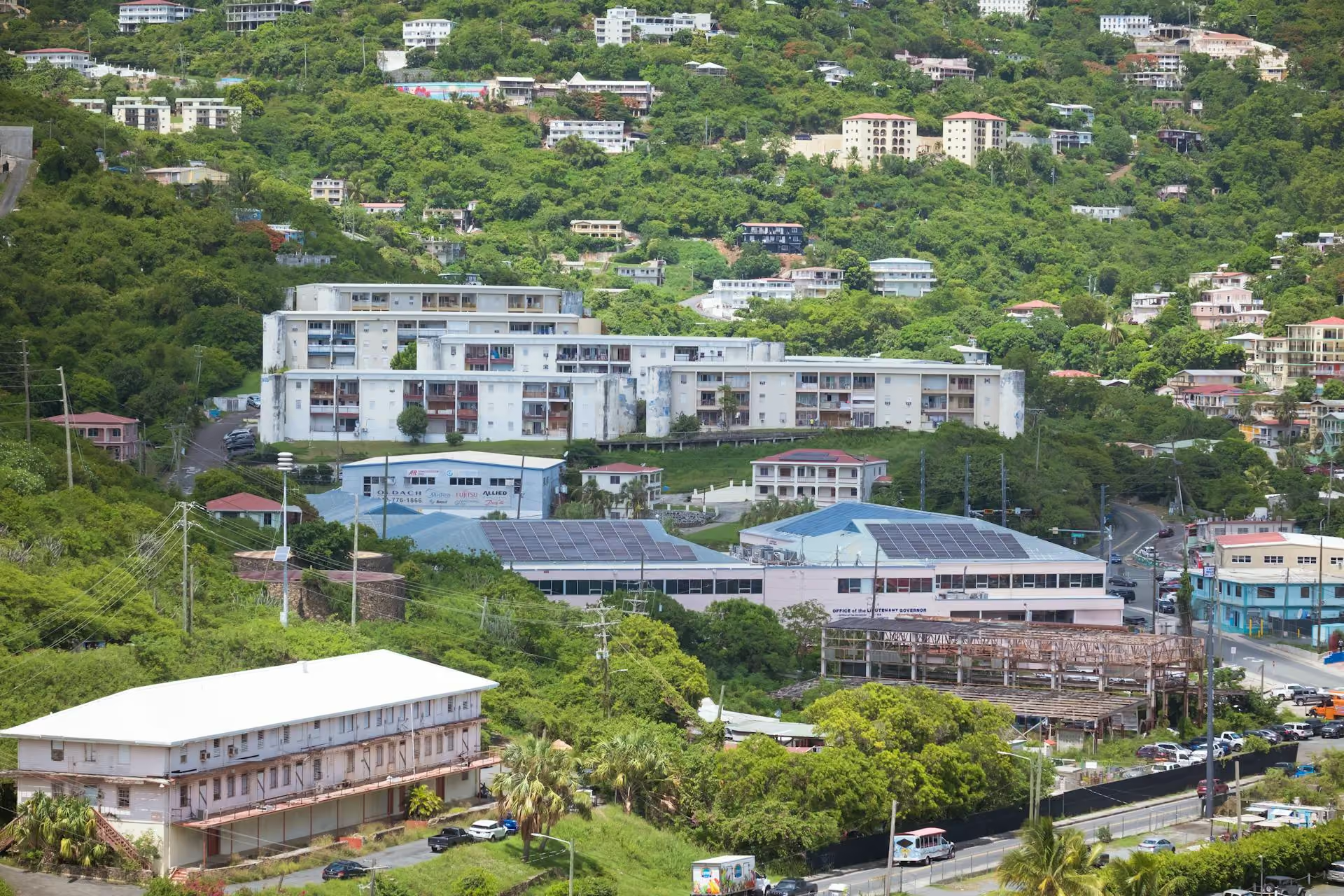
This case study addresses a 10-building oceanside resort in the U.S. Virgin Islands where domestic hot water was being produced with small electric water heaters operating at very high utility rates. Thermal Energy HQ proposed a distributed building-by-building DHW upgrade using Thermal Tanks and heat pumps while retaining existing equipment in limited backup roles.
The project’s main objective was to reduce domestic hot water energy cost across a 10-building resort while ensuring the new system could withstand aggressive reverse-osmosis water conditions. The existing configuration used small electric water heaters in individual units and a 110-gallon backup electric heater in each building. Per-building hot water consumption was calculated at 356 gallons per day, and the property was paying approximately $0.60/kWh for public utility power.
For each of nine standard buildings, TEHQ proposed a 350-gallon Thermal Tank with 55 kWh of energy storage at a 35°C / 95°F differential paired with a Phoenix 020 heat pump rated at 32 kBTU/hr. A Cessaroni heat exchanger on the load side was selected to accommodate R/O water conditions. One building with attached laundry was assigned an upgraded tank and heat pump size. Existing water heaters would remain in place with limited operational capacity to avoid removal costs and preserve useful life.
The case study notes that conventional water-heating equipment at the property had a replacement lifecycle of under 10 years due to aggressive R/O water exposure. TEHQ’s equipment was presented as better suited to that condition because the Thermal Tank uses a one-time fill of working fluid, reducing corrosion and mineral buildup, while the heat pump is not impacted the same way by continued R/O exposure. Lifecycle benefits were not included in the savings calculation, meaning the financial case may be conservative.
The financial table shows pre-project energy use of 169,000 kWh dropping to 50,700 kWh, for savings of 118,300 kWh or 70 percent. Annual DHW cost fell from $100,000 to $30,000, generating $70,000 in annual savings. Total project cost was listed at $320,000, with $115,000 in available incentives reducing net project cost to $205,000. The resulting payback was 2.9 years with a simple ROI of 34 percent.
For multi-building resort properties with expensive electricity and harsh water conditions, distributed thermal storage and heat pump retrofits can reduce DHW cost sharply while preserving resiliency and extending useful system life.

Send us a message and our team of experts will get right back to you — or grab a time on our calendar below.