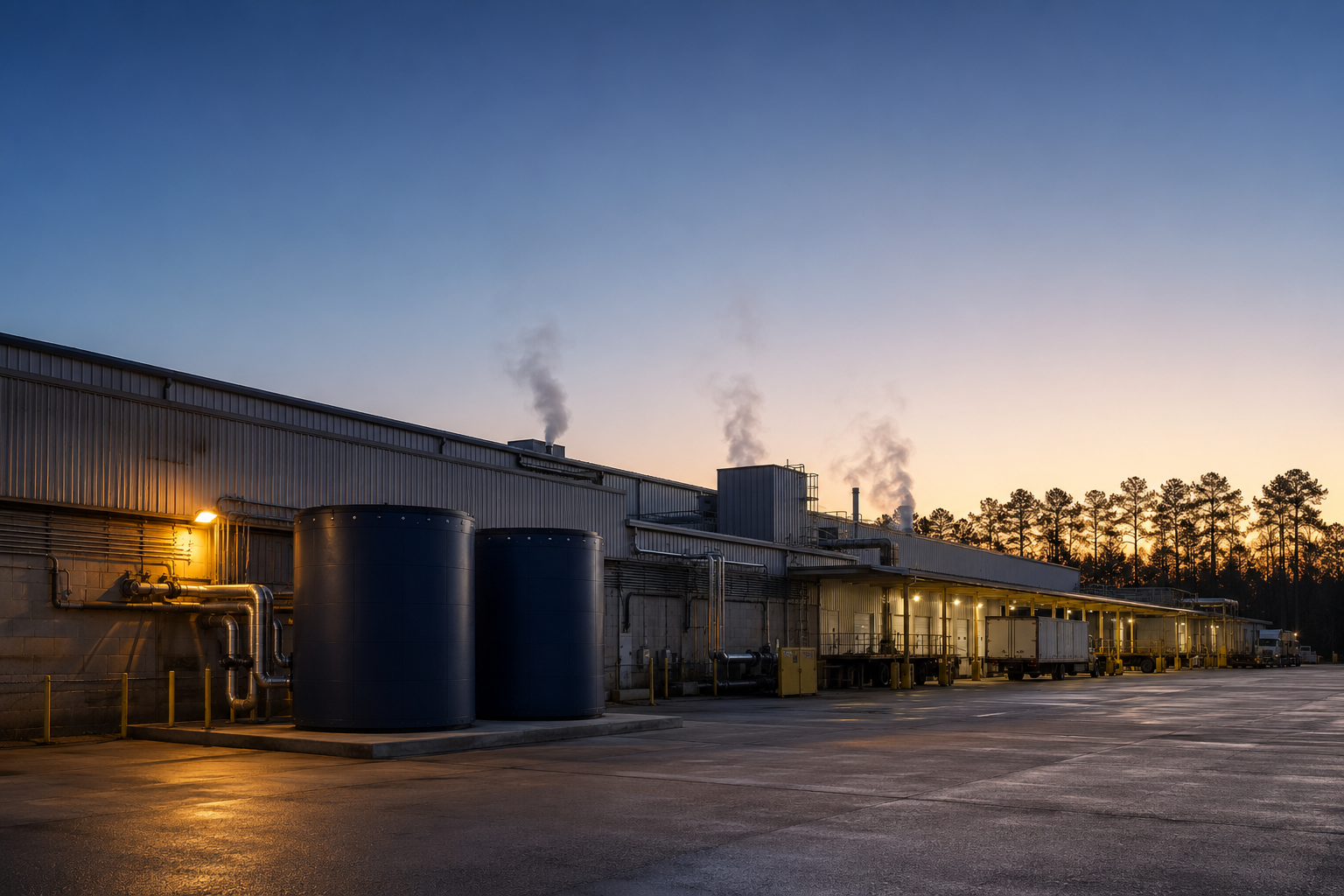
Thermal energy storage (TES) can help Georgia facilities shift heating or cooling production, reduce peak demand, and improve the economics of electrification. The right system depends on tank capacity, operating schedules, utility rates, site conditions, and the financing options available in the project’s jurisdiction.
Key Takeaways
Georgia’s warm climate, growing commercial development, and diverse industrial base create several potential use cases for thermal storage. Atlanta multifamily and hospitality properties may use TES to manage building loads, while logistics facilities, poultry operations, food processors, and sanitation-intensive sites may benefit from storing thermal energy for predictable production or cleaning cycles.
The central financial question is not simply how much a tank costs. It is how the tank, heat source, controls, operating schedule, utility rate, and financing structure work together over the life of the project.
What is thermal energy storage?
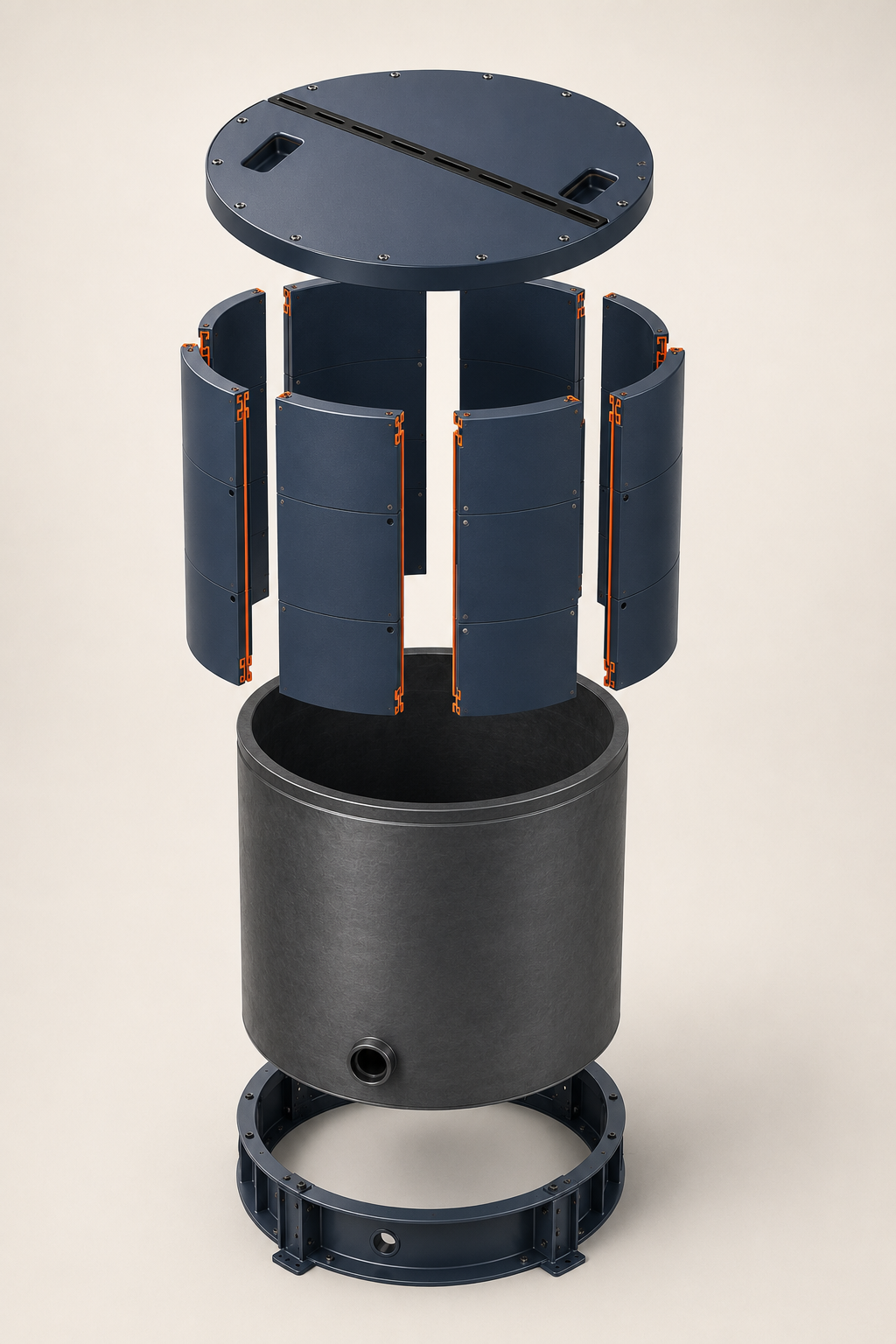
Thermal energy storage stores energy as heat or cooling for use at a later time. A water-based storage tank can be charged when a heat pump, chiller, or other heat source is operating and then discharged when the facility needs hot water, process heat, or cooling.
TES can separate the timing of energy production from the timing of energy use. That flexibility may allow a facility to produce thermal energy during lower-cost or lower-demand periods and use it during high-demand operating periods.
A tank is only one part of the system. The design may also include a heat source, heat exchangers, pumps, piping, controls, sensors, integration with building or process equipment, and installation work.
Why TES makes sense in Georgia
Georgia projects often need a practical way to manage electric demand while meeting hot-water, cooling, and process requirements. TES can be especially useful when the facility has recurring load patterns, significant demand charges, or a mismatch between the time energy can be produced economically and the time it is needed.
The technology can support a range of Georgia applications. Atlanta multifamily buildings and hotels may use storage for domestic hot water or central plant management. Logistics facilities may use it to coordinate building and operational loads. Poultry and food-processing facilities may use storage for process and sanitation requirements. Other commercial and industrial sites may use TES to reduce demand peaks or improve the utilization of electric heating equipment.
The value case depends on the site. A facility with a steady, predictable thermal load may achieve better utilization than one with short, irregular demand. Utility tariffs, operating hours, available space, water temperatures, and the cost of connecting the system all affect the result.
How much does a thermal energy storage system cost?
Tank pricing varies by size and thermal capacity. The following reference prices provide a starting point for comparing storage equipment, but they are not complete installed-system prices.
Complete installed-system costs
A complete installed TES system adds more than the tank. Depending on the application, the project may require a heat source, piping, pumps, controls, heat exchangers, insulation, electrical work, labor, commissioning, and site work.
The heat source may be an existing system or new equipment. Integration with a building-management system or process-control system can also affect scope. Space limitations, structural requirements, access, water treatment, and the distance between the tank and the load may increase installation costs.
For that reason, tank price should be treated as an equipment reference rather than a project budget. A useful comparison should identify the total installed cost, expected annual operating savings, maintenance requirements, useful life, and financing cost.
Georgia incentives: a financing-led stack
Georgia does not offer a broad state tax credit specifically for thermal energy storage. As a result, project economics commonly rely on a combination of property-based financing, federal tax incentives where eligible, and utility or rate strategy.
The available stack depends on the project owner, tax position, technology configuration, placed-in-service timing, utility tariff, and local jurisdiction. Incentive eligibility should be confirmed with qualified tax, legal, financing, and energy professionals before relying on it in a project model.
C-PACE financing
Georgia’s 2024 C-PACER law enables commercial property-assessed clean energy programs statewide only where counties or municipalities opt in. This means C-PACE-style financing should be evaluated at the local-jurisdiction level rather than assumed to be available for every Georgia property.
Atlanta has an established program through Invest Atlanta. Projects elsewhere in Georgia should confirm whether the relevant county or municipality has opted in, whether the property and improvements qualify, and what program requirements apply.
Where available, C-PACE financing may allow eligible project costs to be repaid through a property-based assessment. Its long-term structure can be relevant for capital-intensive efficiency, electrification, and storage projects, but the financing terms and eligible costs must be reviewed for each property.
Federal Clean Electricity Investment Credit
The federal Clean Electricity Investment Credit under Section 48E may provide tax-credit value for qualifying energy storage projects, subject to federal eligibility rules and project requirements. Storage treatment can depend on the project’s technology, ownership, construction and placed-in-service timing, and other applicable conditions.
A federal credit should not be treated as automatic for every tank or TES configuration. The project team should confirm whether the complete system qualifies, how the credit applies to the equipment and installation scope, and whether the owner can use the tax benefit or needs a different tax-credit monetization strategy.
Because tax rules and project facts matter, owners should obtain current guidance from a qualified tax professional before including Section 48E value in a final investment decision.
Utility programs and rate strategy
Even without a dedicated storage rebate, the applicable utility rate can materially affect TES economics. A system may create value by charging during lower-cost periods and discharging during periods with higher energy prices or demand charges.
The project team should review the facility’s interval load data, tariff structure, demand-charge rules, time-of-use periods where applicable, and seasonal changes. Controls must be configured to respond to the actual rate design while maintaining required temperature, pressure, production, and sanitation performance.
Utility programs and tariffs change over time. Confirm current availability and eligibility with the serving utility rather than assuming that a general energy-efficiency program applies to a specific TES installation.
Sizing storage for sanitation and turnover loads
Sanitation and turnover loads can be strong TES use cases because the facility may need a large amount of thermal energy during a defined window rather than evenly throughout the day. Examples include cleaning and disinfection cycles, food-processing changeovers, poultry operations, and hospitality or multifamily hot-water turnover.
Sizing should start with the required thermal energy, not with the tank size alone. The design team should identify the load’s temperature requirement, flow rate, duration, recovery time, number of cycles, and acceptable temperature variation. It should then determine how much of the load the tank will serve and how quickly the heat source can recharge it.
A storage tank that is too small may not cover the turnover event or meaningfully reduce peak demand. A tank that is too large may add cost and space requirements without sufficient utilization. The best design balances storage capacity, heat-source output, discharge duration, recharge time, controls, redundancy, and the facility’s sanitation requirements.
How to choose a thermal energy storage system
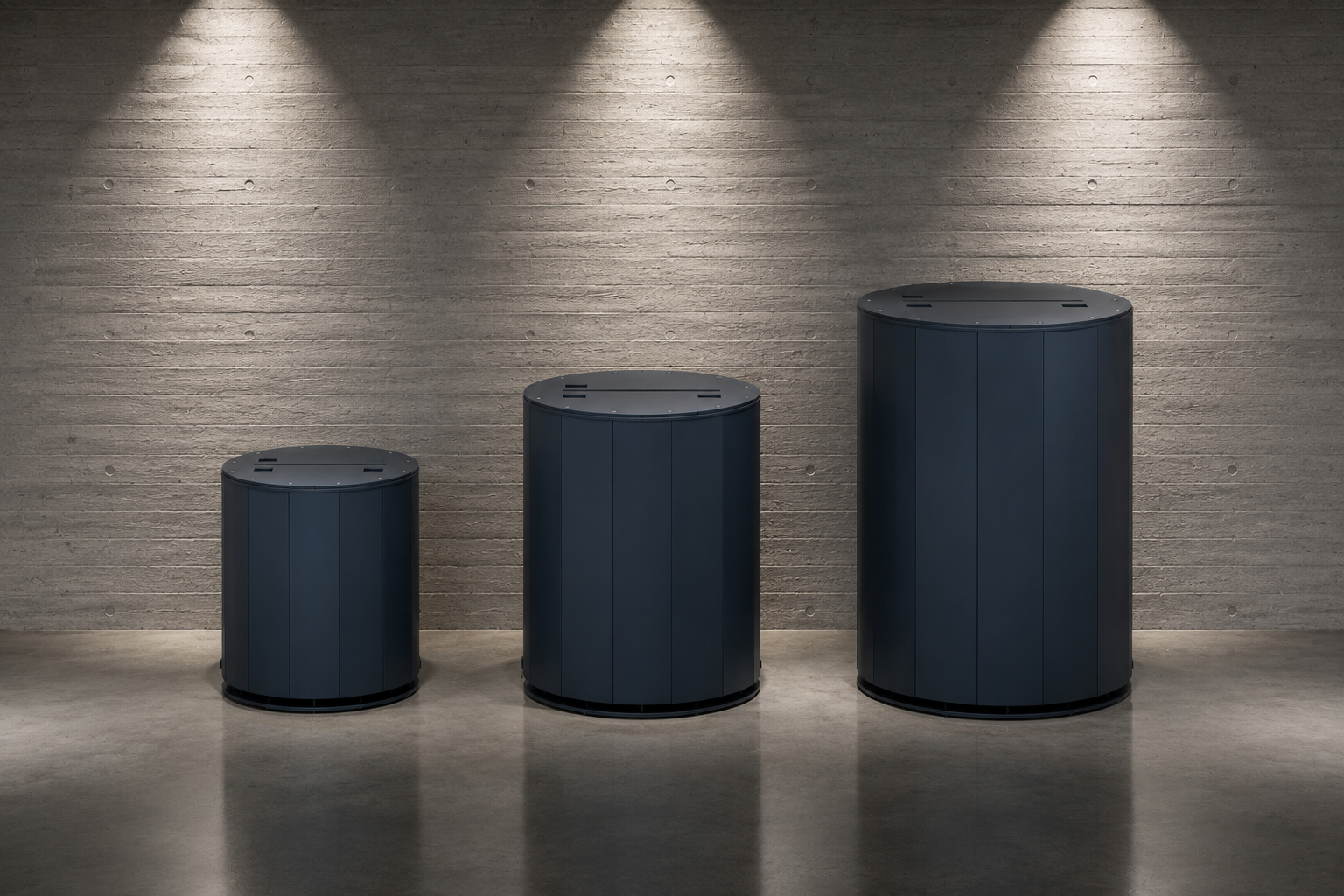
The best system is the one that matches the facility’s thermal profile and financial objectives. Start with the use case, then compare tank capacity, temperature range, controls, equipment integration, installation requirements, and financing.
Owners should request a complete scope of work and a transparent financial model. The proposal should distinguish equipment-only pricing from installed cost and should show the assumptions behind demand savings, energy savings, maintenance, degradation, and financing.
Frequently Asked Questions
Does Georgia offer a state tax credit for thermal energy storage?
Georgia does not have a broad state tax credit specifically for thermal energy storage. Project economics are more likely to rely on local financing where available, potential federal incentives, and utility or rate savings.
Is C-PACE available everywhere in Georgia?
No. Georgia’s 2024 C-PACER law enables programs statewide only where counties or municipalities opt in. Availability must be confirmed for the property’s specific jurisdiction. Atlanta has an established program through Invest Atlanta.
Does the tank price include a complete installed TES system?
No. The listed tank prices are equipment references. A complete installed system may also require a heat source, piping, controls, heat exchangers, labor, electrical work, commissioning, and site work.
What is the price of an 80-gallon thermal storage tank?
The reference price is $1,190 for an 80-gallon tank with 12.0 kWh of thermal storage capacity. Installation and supporting equipment are additional.
What is the price of a 700-gallon thermal storage tank?
The reference price is $5,798 for a 700-gallon tank with 108.0 kWh of thermal storage capacity. The complete project cost will be higher after adding system components and installation.
Can Section 48E apply to thermal energy storage?
The federal Clean Electricity Investment Credit under Section 48E may apply to qualifying storage projects, but eligibility depends on the project configuration, ownership, timing, and other federal requirements. A qualified tax professional should confirm treatment before the credit is included in a final model.
How should a facility size TES for sanitation loads?
Size the system from the required thermal energy, temperature, flow rate, event duration, recharge window, number of cycles, and backup requirements. The tank should be evaluated together with heat-source output, heat-exchanger performance, controls, and the facility’s operating procedures.
Conclusion
Thermal energy storage can be a practical tool for Georgia facilities that need to manage demand, shift thermal production, support sanitation or turnover loads, or improve the utilization of electric heating and cooling equipment.
Because Georgia lacks a broad state tax credit for TES, the strongest project evaluations typically combine accurate load data, local-jurisdiction financing review, potential Section 48E treatment, utility-rate analysis, and a complete installed-cost estimate. Start with the facility’s operating profile and local program availability, then select the tank and system configuration that delivers value under real operating conditions.