Modular Thermal Tanks and heat pumps shift hot water off peak, replace propane and electric resistance heating, and fit through doorways a welded tank cannot. Published case studies show 70% less hot water electricity at a resort and 57% lower water heating cost at a laundromat.
Results depend on fuel and electricity prices, daily demand, operating hours and installation. Case study figures apply to the building studied. Sizing, code and incentive decisions belong to the project's engineer, contractor, utility or tax advisor.
Each figure is quoted as published in its case study, with the price and demand it assumes. Results belong to that building; a project fit review shows what the approach does for yours.
10-building oceanside resort, U.S. Virgin Islands. 169,000 to 50,700 kWh per year at $0.60/kWh, with a 350-gallon tank and 32 kBTU/hr heat pump per standard building.
Same resort: $320,000 project, $115,000 in incentives, $70,000 a year saved on a $100,000 hot water bill. 34% simple ROI.
Puerto Rico laundromat growing from 1,085 to 1,600 gallons per day. $6,610 in propane at $3.75/gal to $2,830 in electricity at $0.28/kWh. 5.8-year payback, no incentives.
Cleveland multifamily: 96 PVT panels and 12 Thermal Tanks preheat a central boiler. 54,000 kWh per year of thermal output since 2019.
Resort and laundromat figures are modeled; Cleveland reports measured output. Full assumptions are on each case study page.
Each of these buildings has a sharp daily hot water peak. Storage carries the peak so the heat source runs long, steady cycles at a higher coefficient of performance.
Morning peaks, island utility rates and R/O water that shortens conventional equipment life. Bolongo Bay replaced seven aging electric tanks and an inoperative solar thermal system; measured demand rose to 540 gallons per day once hot water was reliable.
Bolongo Bay case study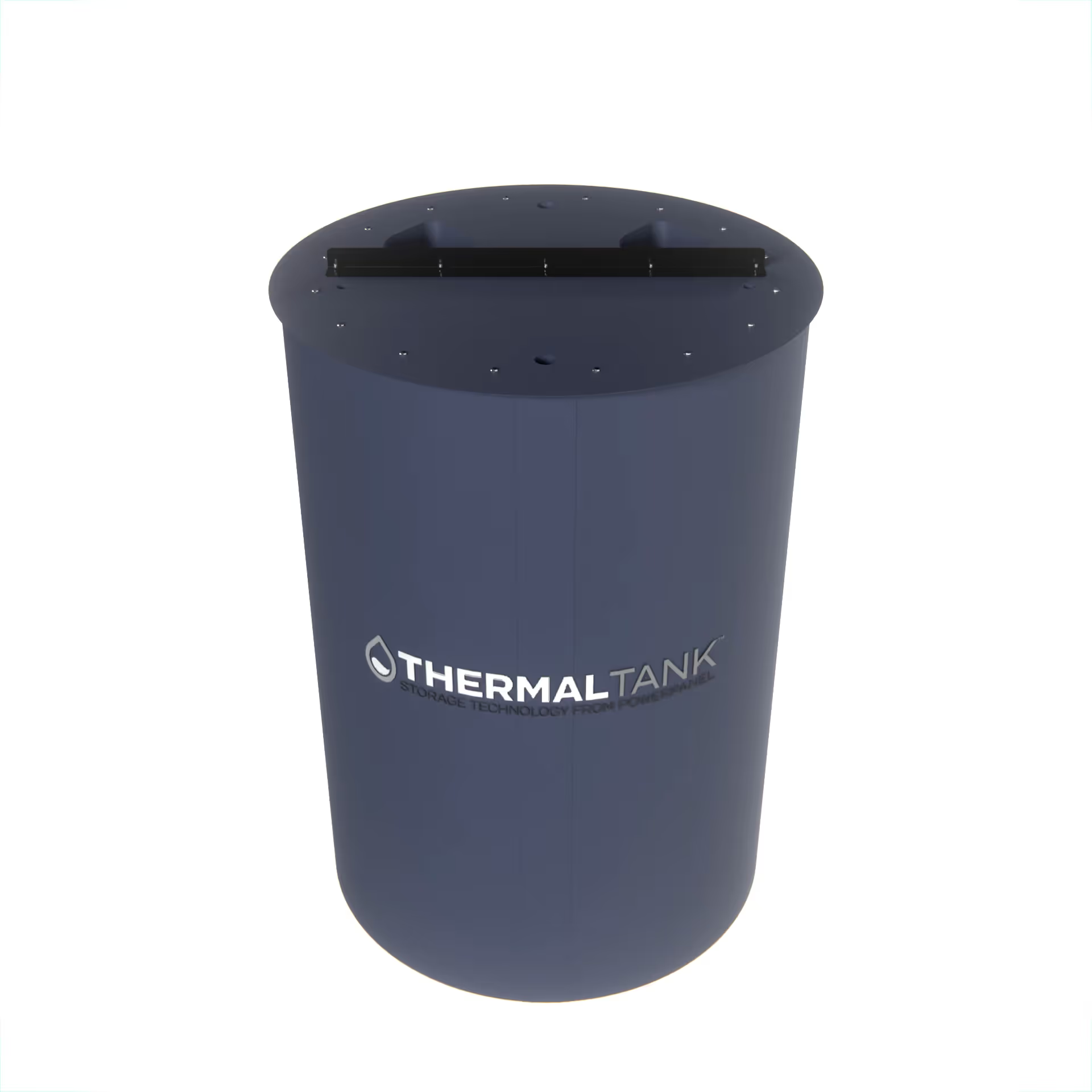
Propane cost scales with washer throughput. The proposed design pairs a 700-gallon Thermal Tank with a 16 kW-thermal heat pump for 120 °F+ preheat, keeping the existing tankless heaters for boost and backup.
Puerto Rico laundromat case study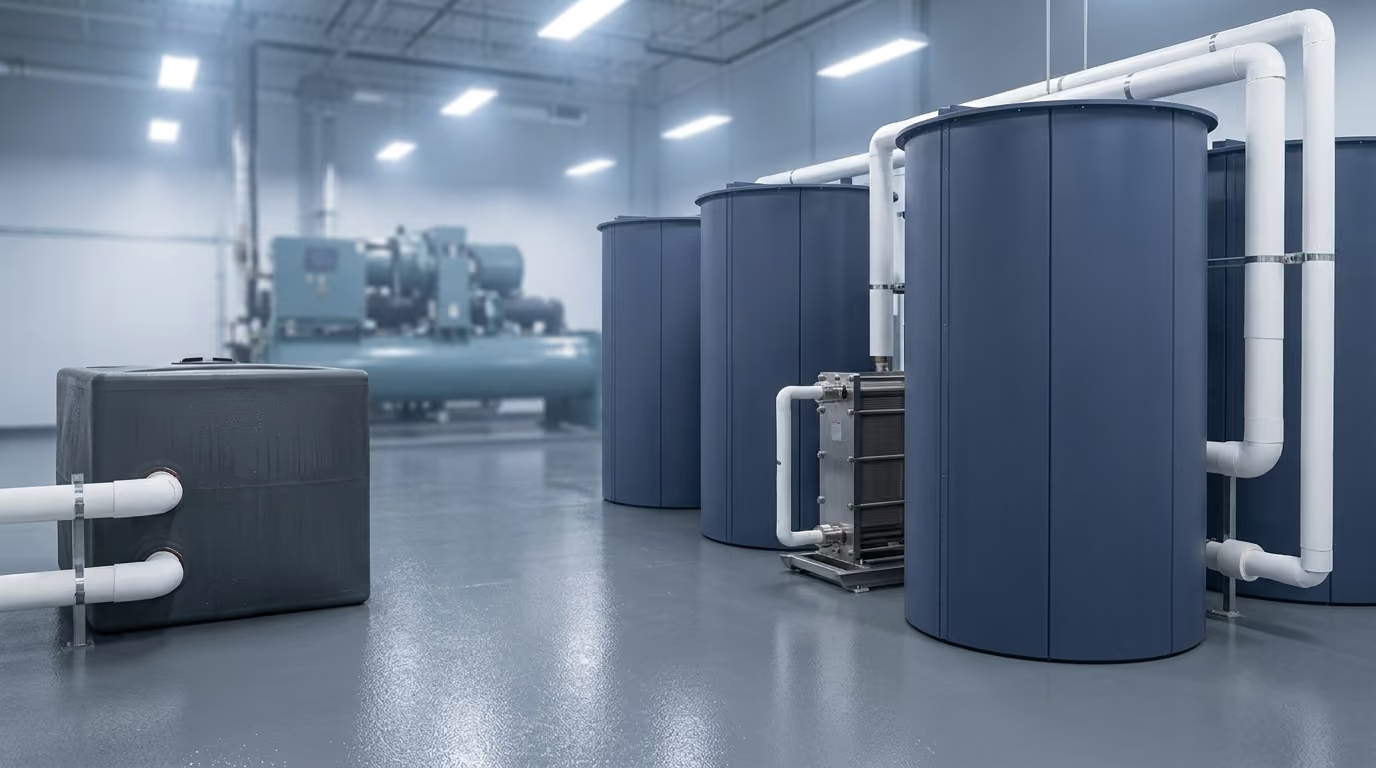
Electrification targets, green financing and central boilers not ready for replacement. At Cleveland Lofts, rooftop PVT and 12 Thermal Tanks preheat the existing boiler loop and avoid 17.15 tons of greenhouse gas a year.
Cleveland Lofts case study.avif)
Dish machines and sanitizing rinses draw in short bursts that tankless heaters and small tanks cannot keep up with. Storage absorbs the burst; the All-In-One 700-gallon system includes heat exchanger, piping and seismic bracing.
Commercial kitchen hot water storage guideStorage does not create energy. It lets the heat source run at its best operating point for more of the day.
A heat pump, boiler, PowerPanel PVT or waste heat charges the tank off peak or in sunlight. Fewer starts mean higher efficiency and less wear.
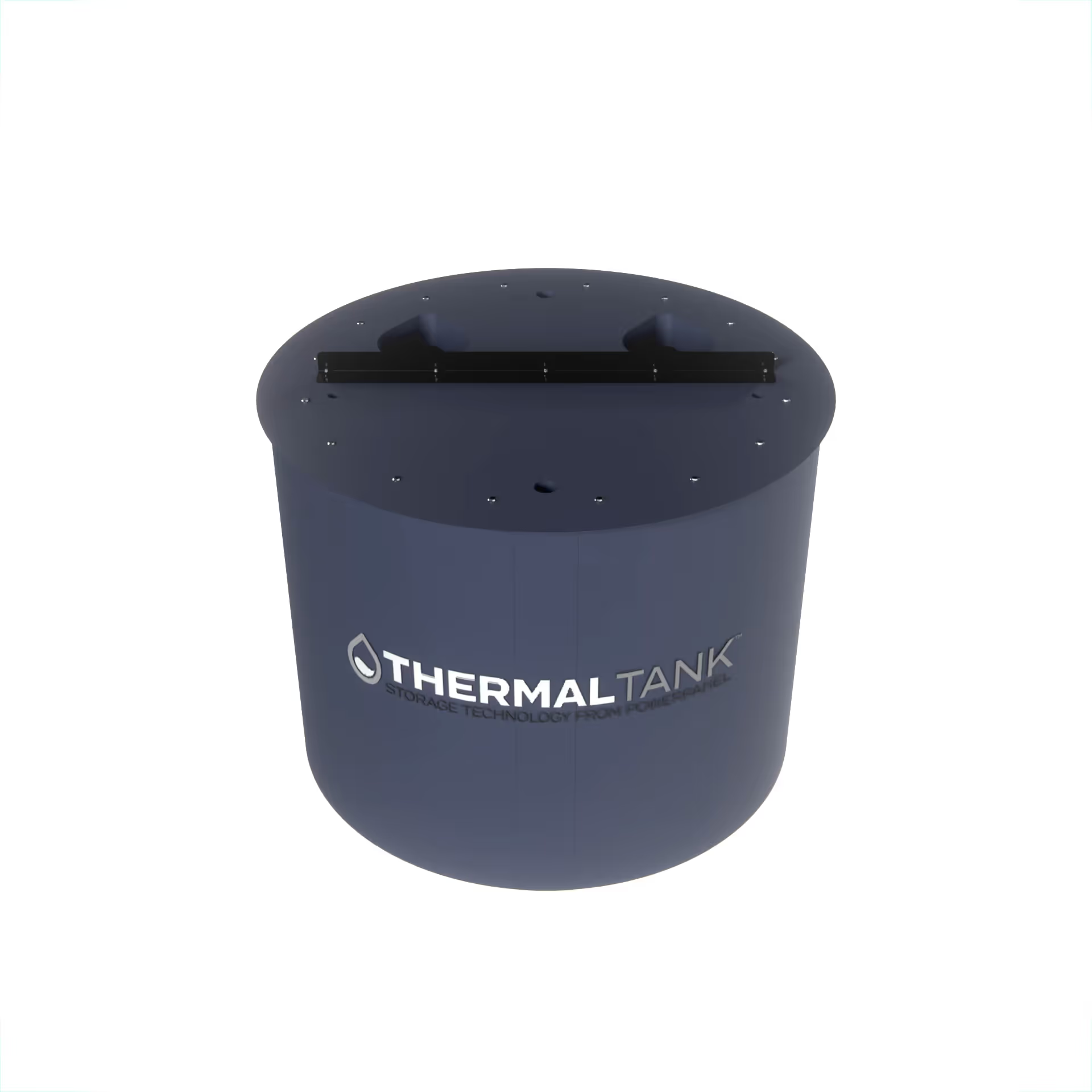
A 350-gallon tank stores about 54.6 kWh at a 35 °C differential; a 700-gallon tank stores 108 kWh. Tanks combine for larger loads.
A load-side heat exchanger serves the peak from stored heat, so the heat source is sized for average demand. Existing heaters stay for boost and backup.
Storage will not fix an undersized heat source, poor piping or bad controls. The mechanical engineer confirms peak demand before sizing.
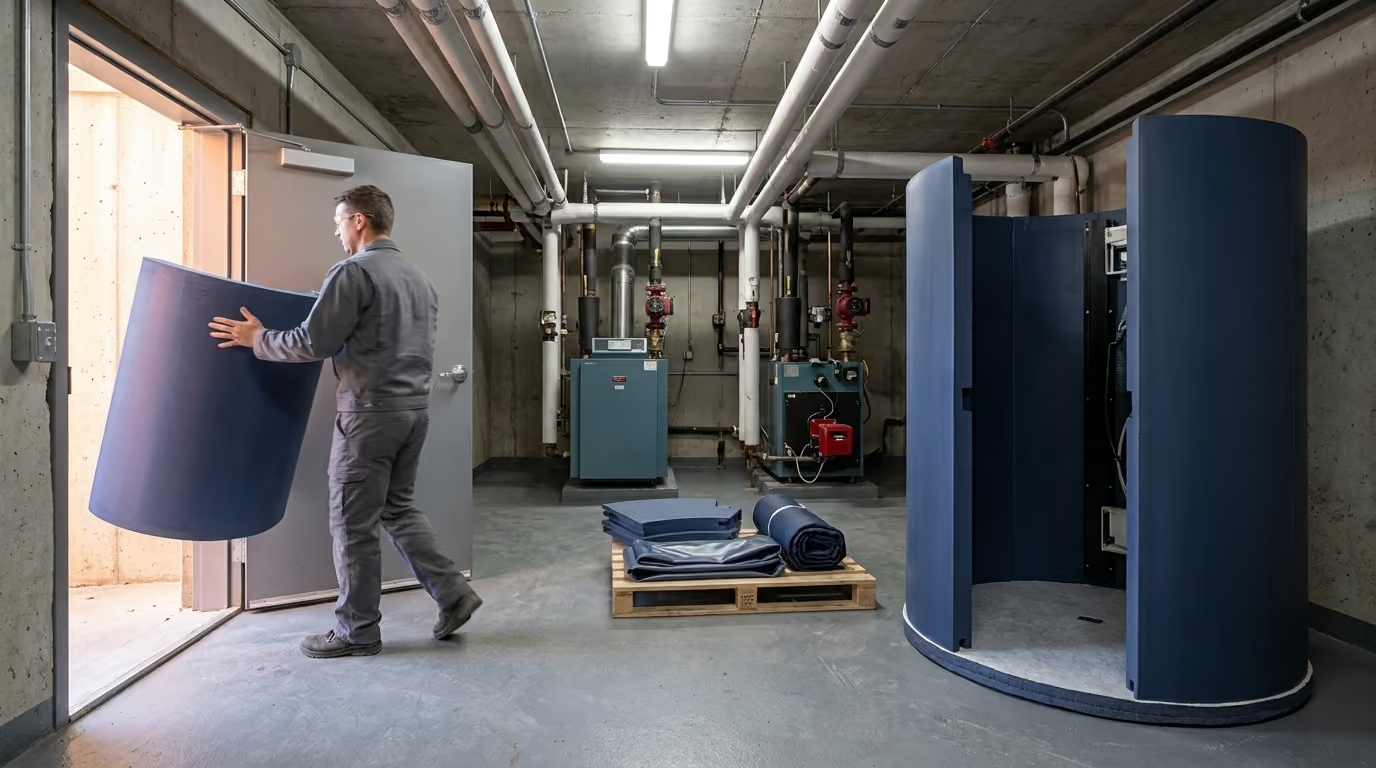
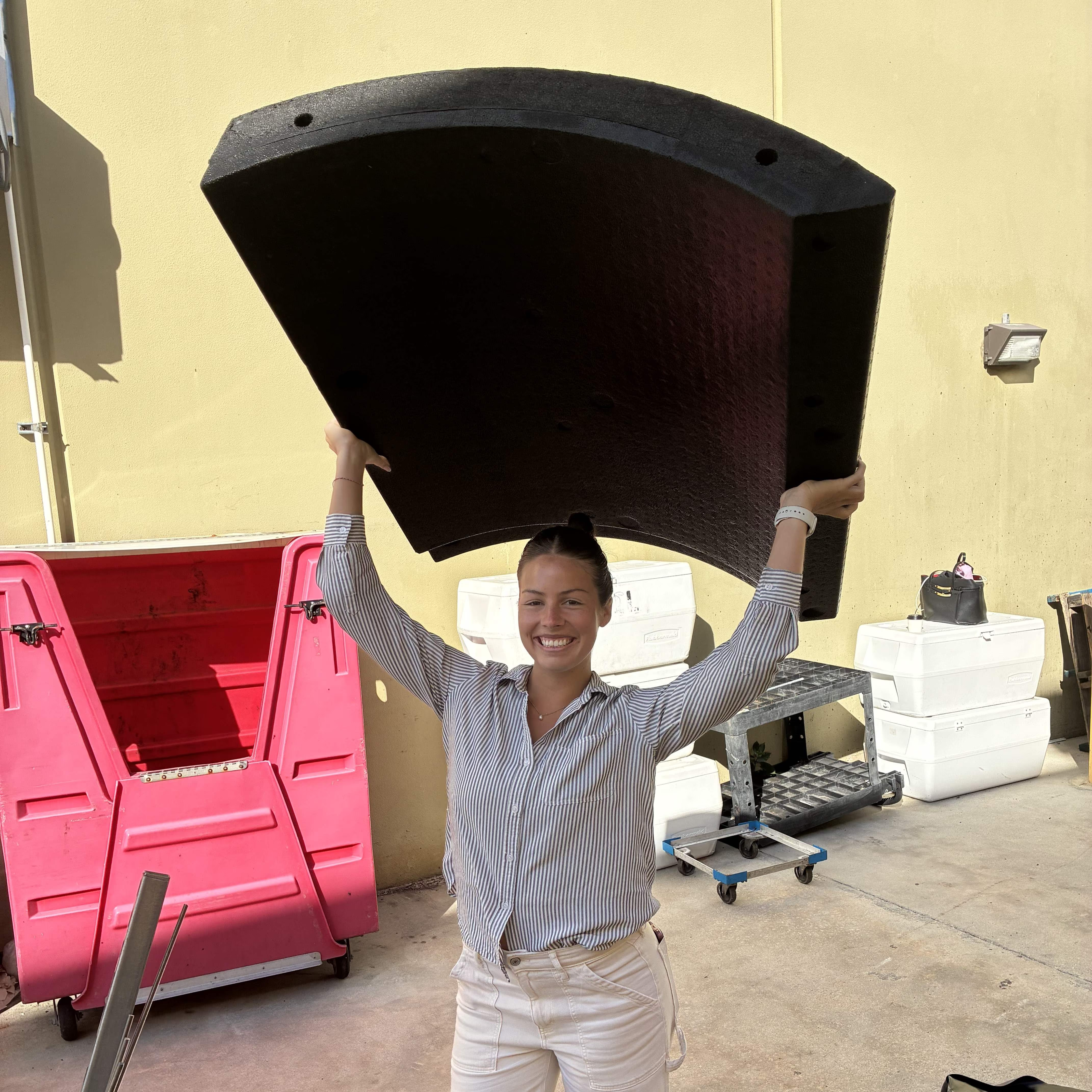
A commercial welded tank often needs a crane, a widened opening or a structural review. The Thermal Tank ships in parts, carries through standard doorways, stairwells and basements, and assembles where it will run.
Transparent list pricing, specifications and submittal documents are published on the Thermal Tank product page and in Documentation.
An engineering conversation, not a sales call. It tests whether storage changes the economics of your building and gives the owner, engineer and CFO one set of assumptions.
Daily volume, peak timing, operating hours and planned growth, from metered data where it exists.
Which heat source charges the tank, and what it costs at local fuel and electricity rates.
Tank count, a heat exchanger suited to the site's water quality, and the path from loading dock to mechanical room.
Utility, state and federal programs worth checking. Eligibility is decided by the program administrator and the owner's tax advisor.
It depends on measured daily volume and how sharply it peaks. The Puerto Rico laundromat averaged 1,085 gallons per day and was sized for 1,600; each USVI resort building used 356. The mechanical engineer confirms final sizing.
Yes. At Cleveland Lofts, 12 Thermal Tanks preheat the feed to an existing central boiler rather than replacing it.
Yes, though programs change often; the case studies above range from none to $115,000. The Incentive Finder lists programs to check, and the administrator and tax advisor decide eligibility.
Send us a message and our team of experts will get right back to you — or grab a time on our calendar below.